Stroke occurs when there is a disruption of blood flow to a part of the brain, which can be caused by a blood clot or a ruptured blood vessel. This interruption of blood flow can lead to damage or death of brain cells in the affected area, which in turn can result in a variety of neurological symptoms and deficits, such as difficulty with movement, speech, memory, and other cognitive functions. Stroke is a serious medical emergency that requires prompt medical attention in order to minimize damage to the brain and improve the chances of recovery.
2 main types of stroke:
- Ischemic stroke is the most common type of stroke (about 80% of all stroke cases), and it occurs when there is a blockage in the blood vessels that supply blood to the brain. This blockage can be caused by a blood clot that forms in another part of the body and travels to the brain, or by the build-up of fatty deposits and cholesterol in the walls of the blood vessels, which can cause them to narrow and restrict blood flow. The resulting lack of oxygen and nutrients can cause damage to the brain tissue and lead to a variety of neurological symptoms and deficits.
- Hemorrhagic stroke is less common than ischemic stroke (20% of stroke cases), but it is still a serious and potentially life-threatening condition. It occurs when a blood vessel in the brain ruptures or leaks, causing bleeding within the brain tissue. This can be caused by a variety of factors, including high blood pressure, aneurysms (weakened areas of blood vessel walls that can balloon and eventually rupture), and other underlying vascular disorders. The bleeding within the brain can cause a sudden drop in blood supply to the brain tissue, leading to damage or death of brain cells.
Risk Factors are classified in to two: Uncontrollable risk factors and Controllable risk factors:
Uncontrollable risk factors:
- Age is one of the most significant risk factors for stroke, with the risk of stroke increasing significantly after age 55. This is partly due to the natural aging process, which can lead to changes in the blood vessels and an increased risk of atherosclerosis (hardening and narrowing of the arteries).
- Gender is also a factor, with men being at higher risk of stroke than women. This may be due to a variety of factors, including differences in hormone levels, lifestyle factors, and other biological differences.
- Hypercoagulable states, also known as thrombophilia, is a condition in which the blood has a tendency to clot more easily than normal. This can increase the risk of both ischemic and hemorrhagic stroke, as blood clots can cause blockages or ruptures in blood vessels in the brain. Some people may be born with a genetic predisposition to hypercoagulable states, while others may develop it as a result of other underlying health conditions or medications.
Controllable Risk Factors:
- High blood pressure, also known as hypertension, is the most significant risk factor for stroke. When the blood pressure is too high, it can damage the blood vessels and weaken their walls, making them more likely to burst or clog. Hypertension can also lead to the formation of blood clots, which can block the flow of blood to the brain and cause a stroke. In fact, people with high blood pressure are four to six times more likely to have a stroke than those with normal blood pressure levels. It is essential to manage and control high blood pressure through lifestyle changes, medications, or a combination of both to reduce the risk of stroke.
- Diabetes can cause damage to blood vessels and nerves throughout the body, including the brain. When blood vessels in the brain become damaged or narrowed due to diabetes, it can increase the risk of ischemic stroke. People with diabetes are also more likely to have other risk factors for stroke
- High cholesterol levels can lead to the accumulation of fatty deposits, or plaque, in the arteries. Over time, this can cause the arteries to narrow and become less flexible, making it more difficult for blood to flow through. If a clot forms in a narrowed artery that supplies blood to the brain, it can cause an ischemic stroke.
- Heart Disease, Atrial fibrillation is an irregular heartbeat that can cause blood to pool in the heart, leading to the formation of blood clots. If a blood clot breaks loose and travels to the brain, it can cause a stroke. Similarly, other heart conditions such as heart valve disease and cardiomyopathy can also increase the risk of stroke.
- Smoking is a major risk factor for stroke because it contributes to the buildup of fatty deposits in the arteries, which can cause them to narrow and harden over time. This narrowing, in turn, increases the risk of blood clots and reduces the amount of oxygen-rich blood that can flow to the brain. Additionally, smoking increases blood pressure, which is also a major risk factor for stroke.
- Oral contraceptives Estrogen-containing birth control pills can increase the risk of stroke, particularly in women who smoke, have high blood pressure, or have a history of blood clots. Women who use birth control pills with high doses of estrogen are at a greater risk of stroke than those who use low-dose estrogen pills. It’s important for women to discuss their risk factors with their healthcare provider before starting or changing birth control methods.
- Physical inactivity and lack of exercise can increase the risk of stroke. Exercise helps to maintain healthy blood pressure, cholesterol, and blood sugar levels, all of which are important for reducing the risk of stroke. Additionally, exercise can also improve circulation, increase the strength of the heart, and reduce the risk of obesity, which are all factors that can reduce the risk of stroke. People who lead a sedentary lifestyle are more likely to have high blood pressure, high cholesterol, and other risk factors for stroke. It is recommended to get at least 150 minutes of moderate-intensity aerobic exercise per week to maintain good cardiovascular health and reduce the risk of stroke.
What are to look out for?
It is important to note that symptoms can appear suddenly and without warning. If you or someone around you experiences any of these symptoms, it is important to seek medical attention immediately. Time is a critical factor in treating stroke, and prompt treatment can significantly improve the chances of recovery. The faster medical attention is received, the better the chances of survival and recovery with fewer complications.
Symptoms of stroke include:
- Sudden numbness or weakness of the face and/or limbs, especially on one side of the body
- Slurred speech, crooked smile or drooping mouth corner, drooling and difficulty swallowing
- Headache, sudden dizziness
- Blurred vision, double or blackened vision, or sudden loss of vision on one side of the visual field
- Trouble with walking, loss of balance or coordination
Transient ischemic attacks (TIAs) are also a warning sign that a full-blown stroke can occur, and it’s important to take them seriously and seek medical attention as well. The sooner treatment starts, the better the chances of a positive outcome.
Diagnosing Stroke:
There are several diagnostic methods that are highly effective in identifying stroke and its causes. These include:
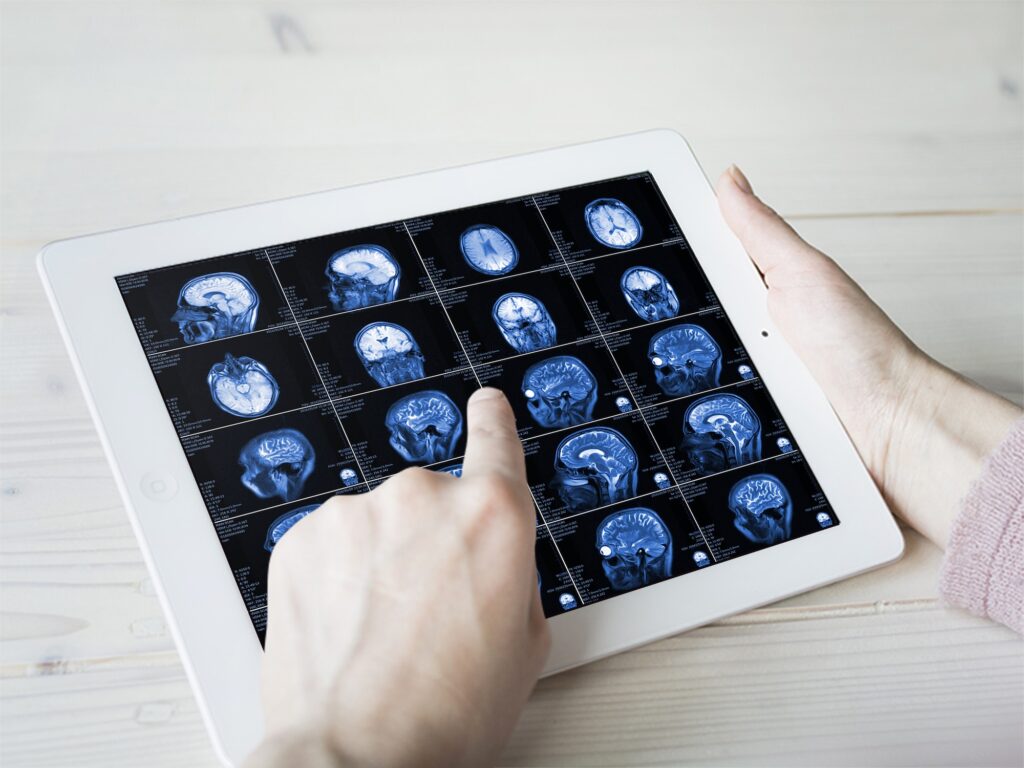
- Imaging tests: Imaging tests such as CT (computed tomography) scans and MRI (magnetic resonance imaging) scans can provide detailed images of the brain and help identify areas of damage or abnormalities. These tests can also help differentiate between ischemic and hemorrhagic strokes.
- Ultrasound: Ultrasound imaging can be used to create images of the blood vessels in the neck and brain to check for any blockages or narrowing that could increase the risk of stroke.
- Blood tests: Blood tests can be used to check for any conditions or factors that could increase the risk of stroke, such as high cholesterol, diabetes, and clotting disorders.
- Electrocardiogram (ECG or EKG): This test can be used to check for any heart rhythm abnormalities that could increase the risk of stroke, such as atrial fibrillation.
- Angiogram: An angiogram is an imaging test that uses X-rays and a contrast dye to create images of blood vessels. This test can help identify any blockages or narrowing in the blood vessels that could increase the risk of stroke.
- Carotid ultrasound: This test uses high-frequency sound waves to create images of the carotid arteries in the neck. It can help identify any blockages or narrowing in these arteries that could increase the risk of stroke.
Prompt and accurate diagnosis is important for early treatment and improved outcomes in stroke patients.
Treatment for Stroke
The treatment approach for stroke depends on whether the stroke is ischemic or hemorrhagic. An ischemic stroke occurs when a blood clot blocks a blood vessel in the brain, while a hemorrhagic stroke occurs when a blood vessel in the brain ruptures and causes bleeding in the brain.
The treatment options for each type of stroke are:
- Ischemic stroke: The medication used to dissolve blood clots is called tissue plasminogen activator (tPA). This medication can be effective in treating ischemic strokes if administered within 4.5 hours of the onset of symptoms. However, tPA is not suitable for all patients, such as those who have had recent surgery or bleeding disorders. In some cases, doctors may use a mechanical thrombectomy procedure to remove the clot directly. This procedure involves using a catheter to reach the clot and either physically remove it or break it down using a device.
- Hemorrhagic strokes, on the other hand, require a different approach as the focus is on controlling bleeding and reducing pressure on the brain. This may involve medication, surgery, or other procedures depending on the cause and severity of the bleeding.
Can Stroke be prevented?
Patients with a history of atrial fibrillation or other heart conditions may need to take medication to prevent blood clots from forming. It is also important to manage stress levels and get enough sleep each night. Regular medical check-ups are also essential to monitor for any changes in risk factors and adjust treatment plans accordingly. By taking these steps, individuals can reduce their risk of stroke and improve their overall health and wellbeing.