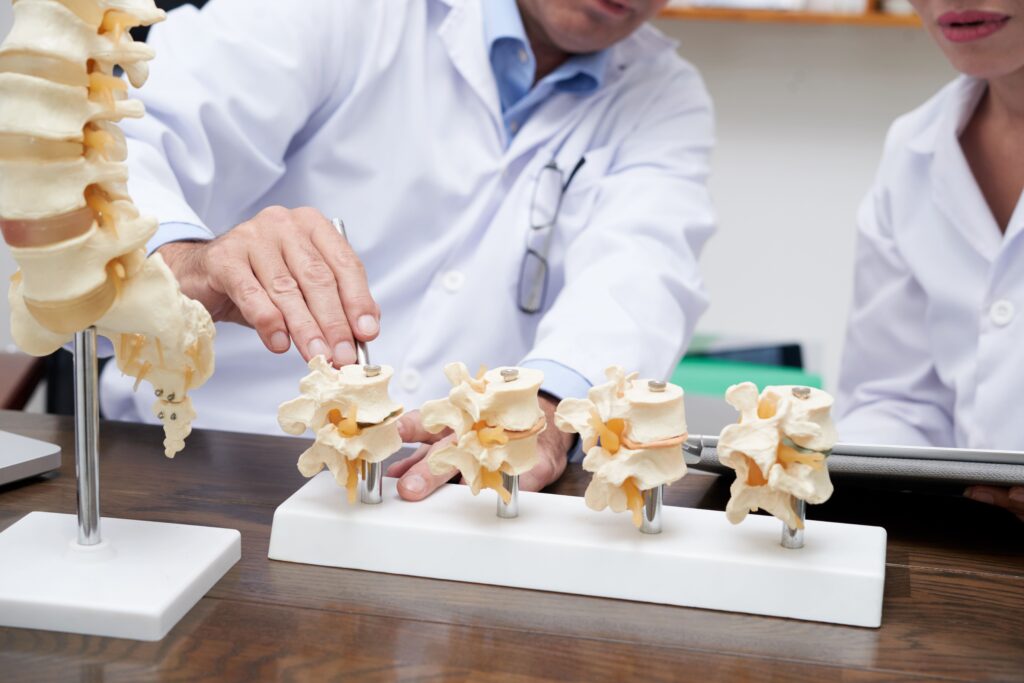
Orthopedics is the specialized field of medicine that focuses on diagnosing, treating, and preventing conditions that affect our bones, muscles, joints, and the intricate web of connective tissues that hold us together. Think of it as the expert squad that ensures your body’s framework is functioning optimally, allowing you to move freely and comfortably.
Now, let’s talk about the musculoskeletal system – your body’s very own engineering marvel. It’s like the behind-the-scenes crew that makes sure you can bend, twist, walk, and dance your way through life. Not only does it keep you moving, but it also provides support and stability, giving your organs a cozy home to thrive in.
Common Orthopedic Conditions and Their Impact
Alright, onto some real-world stuff. You’ve got your common orthopedic conditions, which are like those unexpected roadblocks that life throws at you. Osteoarthritis, for instance, might make your joints feel creaky and unwilling to cooperate. Injuries like fractures or dislocations? They can put a dent in your day (and your bone). And don’t even get me started on overuse injuries – things like tendinitis and stress fractures that show up when you’ve been pushing your limits a tad too much. Even from birth, your musculoskeletal system might have a few surprises in store, like scoliosis or clubfoot, that require some expert handling.
Having a handle on these basics – from understanding orthopedics to appreciating the marvel of your musculoskeletal system and knowing your way around common conditions – equips you with the smarts to care for your body. So, let’s roll up our sleeves (not too high, though, we don’t want shoulder strain!) and dive into the fascinating world of orthopedic health.
Types of Orthopedic Conditions
A. Degenerative Conditions (Arthritis)
Within the realm of orthopedic conditions, we encounter degenerative ailments, with arthritis as a central figure. Arthritis, a chronic inflammatory condition, manifests in various forms, each impacting joint function and comfort. Pervasive osteoarthritis, for instance, gradually erodes joint cartilage, leading to pain, stiffness, and restricted movement. Rheumatoid arthritis presents a more systemic challenge, involving the immune system’s misguided attacks on joint tissues. These degenerative conditions underscore the importance of vigilant care and management to preserve joint function and alleviate discomfort.
B. Traumatic Injuries (Fractures, Dislocations)
The abrupt disruption of orthopedic well-being often stems from traumatic injuries. These unwelcome occurrences, such as fractures and dislocations, not only demand immediate medical attention but also entail a comprehensive healing process. Fractures, caused by impacts or falls, fracture the continuity of bones, necessitating accurate alignment and healing. Dislocations involve the forceful displacement of joint surfaces, requiring skilled intervention to restore stability and function.
C. Overuse Injuries (Tendinitis, Stress Fractures)
Overuse injuries exemplify the repercussions of pushing physical limits beyond capacity. Tendinitis, characterized by inflammation of tendons due to repetitive motion, typifies this category. Stress fractures, micro-fractures resulting from repeated impact or strain, also fall within this realm. Such injuries often necessitate deliberate rest, rehabilitation, and, at times, altered habits to mitigate the risk of recurrence.
D. Congenital Conditions (Scoliosis, Clubfoot)
Within the spectrum of orthopedic conditions, congenital anomalies emerge as a distinctive category. Scoliosis, a spinal deformity marked by lateral curvature, reflects the interplay of genetic and environmental factors. Early intervention and orthopedic management are pivotal to curbing its progression. Similarly, clubfoot, a condition where an infant’s foot turns inward, demands prompt attention to ensure proper development and function.
Understanding these varied types of orthopedic conditions is paramount in fostering a comprehensive grasp of musculoskeletal health. This knowledge equips individuals with the capacity to recognize symptoms, pursue timely intervention, and adopt strategies to promote overall well-being. By acknowledging the nuances of orthopedic challenges, we foster an environment of informed decision-making and prioritize our physical health with a measured and deliberate approach.
Diagnosing Orthopedic Conditions
A. Medical History and Physical Examination
The journey to diagnosing orthopedic conditions commences with a meticulous assessment of an individual’s medical history and a thorough physical examination. The medical history unravels the timeline of symptoms, potential contributing factors, and past medical interventions. Concurrently, a skilled orthopedic specialist conducts a comprehensive physical examination, evaluating range of motion, joint stability, muscle strength, and other pertinent aspects. This preliminary phase serves as the foundation for informed decision-making, guiding subsequent diagnostic pathways.
B. Imaging Techniques (X-rays, MRI, CT Scans)
To unveil the intricacies of orthopedic conditions concealed beneath the surface, imaging techniques step into the spotlight. X-rays are the stalwarts, capturing detailed bone images to identify fractures, joint degeneration, and bone abnormalities. MRI (Magnetic Resonance Imaging) delves deeper, rendering detailed images of soft tissues, ligaments, and tendons. CT scans offer cross-sectional views, illuminating complex bone fractures and intricate anatomical structures. These imaging tools coalesce to provide a visual narrative of the condition, aiding clinicians in accurate diagnosis.
C. Laboratory Tests and Diagnostic Procedures
Complementary to imaging, laboratory tests and specialized diagnostic procedures often lend their insights. Blood tests, for instance, can illuminate conditions like rheumatoid arthritis or infections. Joint aspirations involve extracting fluid from joints to analyze for inflammation or underlying causes. Advanced diagnostic techniques such as bone scans and electromyography (EMG) add further dimensions to the diagnostic process, refining the understanding of complex conditions.
Treatment Options
A. Non-surgical Interventions (Physical Therapy, Medication)
Treatment pathways diverge based on the nature and severity of orthopedic conditions. Non-surgical interventions, such as physical therapy, play a pivotal role in restoring mobility, strength, and function. Customized exercise regimens under the guidance of physiotherapists enhance muscle tone, joint stability, and overall well-being. Medications, ranging from pain relievers to anti-inflammatory drugs, complement therapy by alleviating discomfort and reducing inflammation.
B. Surgical Procedures (Joint Replacement, Arthroscopy)
Surgical intervention becomes imperative for certain orthopedic conditions resistant to conservative approaches. Joint replacement surgeries, like hip or knee replacements, revolutionize lives by restoring function and minimizing pain. Arthroscopy, a minimally invasive technique, enables orthopedic surgeons to diagnose and treat joint issues by accessing the joint through small incisions. These surgical avenues, guided by advanced technology and surgical expertise, offer renewed hope for improved orthopedic health.
C. Rehabilitation and Post-treatment Care
Beyond the operating room, the journey to recovery continues through rehabilitation and post-treatment care. Rehabilitation programs, tailored to individual needs, facilitate gradual and safe progression toward pre-condition levels. Physiotherapy continues its pivotal role, retraining muscles, enhancing flexibility, and reinforcing functional skills. Committed adherence to post-treatment care instructions, incorporating lifestyle modifications and follow-up appointments, ensures sustained orthopedic well-being.
Preventive Measures
A. Maintaining Musculoskeletal Health
Proactive care assumes paramount importance in safeguarding musculoskeletal health. Recognizing that prevention is the cornerstone of well-being, individuals are encouraged to prioritize their orthopedic health through mindful lifestyle choices.
B. Exercise and Conditioning for Injury Prevention
Exercise emerges as a formidable ally in injury prevention. Strengthening muscles, enhancing flexibility, and improving overall fitness diminish the risk of orthopedic challenges. Engaging in a well-rounded exercise regimen tailored to individual needs fortifies the musculoskeletal system against potential strains and injuries.
C. Proper Ergonomics and Body Mechanics
The way we engage with our environment plays a pivotal role in orthopedic health. Adopting proper ergonomics at workstations, maintaining correct posture, and practicing sound body mechanics during daily activities alleviate undue stress on joints and muscles. These seemingly simple adjustments collectively bolster orthopedic resilience.
In navigating the landscape of orthopedic health, understanding the diagnostic intricacies, treatment possibilities, and preventive measures equips individuals with the tools to engage proactively in their well-being. A collaboration between medical expertise and personal commitment paves the way for optimal musculoskeletal health, enabling individuals to lead vibrant, active lives.
Living with Orthopedic Conditions
A. Coping Strategies and Mental Well-being
The journey of living with orthopedic conditions extends beyond the physical realm, encompassing the mental and emotional landscapes. Coping strategies become invaluable tools to navigate the challenges. Cultivating a positive mindset and practicing mindfulness can mitigate the emotional impact of chronic pain and functional limitations. Engaging in activities that bring joy, fostering social connections, and seeking professional psychological support contribute to holistic well-being.
B. Adaptive Techniques for Daily Activities
The pursuit of normalcy amid orthopedic challenges necessitates adaptive techniques for daily activities. Simple modifications in daily routines, such as using assistive devices or leveraging ergonomic tools, can enhance independence and reduce strain. Learning alternative movement patterns and efficient ways of accomplishing tasks empower individuals to regain a sense of control over their lives.
C. Support Networks and Resources
Living with orthopedic conditions is not a solitary journey. Establishing a robust support network is akin to assembling a reliable team that uplifts and assists during tough times. Family, friends, and support groups offer emotional encouragement and practical assistance. Resources abound, ranging from online communities sharing experiences to educational materials imparting knowledge about condition management. Leveraging these resources equips individuals with the insights needed to make informed decisions and foster resilience.
In summation, living with orthopedic conditions demands an integrated approach that encompasses physical adaptation, psychological well-being, and the strength drawn from supportive networks. The journey entails discovering the inner resilience to overcome challenges and embracing the available resources to create a life that thrives despite orthopedic constraints.