
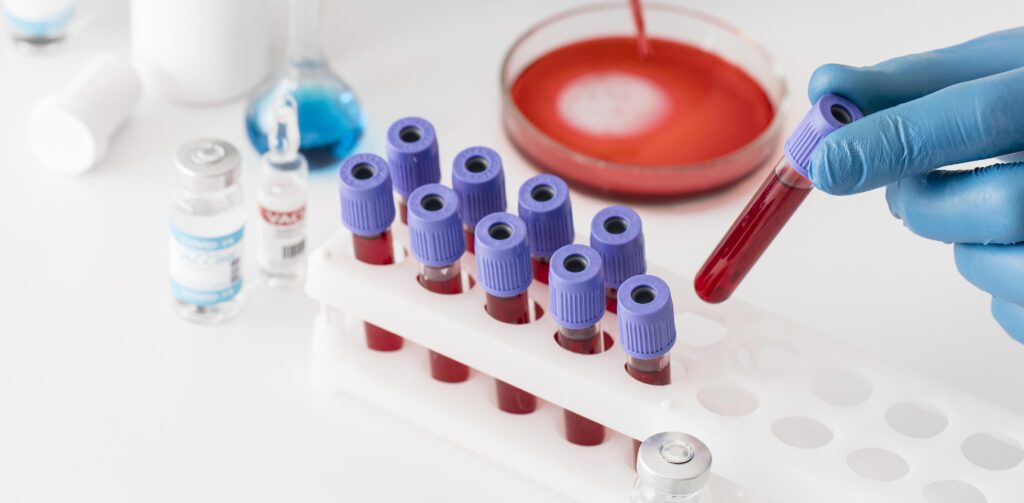
What secrets lie within the crimson rivers that flow through our veins? Hematology, the study of blood, is critical to unlocking these mysteries and plays a vital role in healthcare. Whether you are a medical professional, a student aspiring to join the healthcare industry, or simply someone curious about the human body’s inner workings, understanding the fundamentals of hematology is a fascinating journey.
What is the Role of Hematology in Healthcare?
The field of hematology plays a crucial role in healthcare by focusing on the study of blood and blood-related disorders. By systematically examining blood cells, plasma, and clotting factors, hematologists can diagnose, treat, and monitor a wide range of conditions, contributing significantly to patient care and overall well-being.
Hematology plays a multifaceted role in healthcare that includes the following:
- Accurate diagnosis: Hematology is instrumental in accurately diagnosing various diseases and disorders. Blood tests, such as complete blood counts (CBC), provide valuable information about the quantity and quality of blood cells. Abnormalities detected through these tests can indicate anemia, infections, leukemia, and clotting disorders. By analyzing the blood’s cellular components, hematologists can pinpoint the underlying causes of symptoms and guide further diagnostic investigations.
- Guiding treatment decisions: Hematology is vital in developing effective treatment plans for blood disorders and diseases. For instance, in cases of anemia, hematologists determine the specific type and underlying cause, which allows for targeted treatments such as iron supplementation, blood transfusions, or medication. In hematological cancers like leukemia, hematologists employ various therapeutic approaches, including chemotherapy, radiation therapy, stem cell transplantation, and targeted therapies. The knowledge and expertise of hematologists are essential in formulating personalized treatment strategies that maximize the chances of successful outcomes.
- Monitoring and Management: Hematology also plays a crucial role in monitoring patients’ progress and managing chronic blood-related conditions. Through regular blood tests and assessments, hematologists track changes in blood counts, clotting factors, and other parameters to evaluate the effectiveness of treatments and make necessary adjustments. This ongoing monitoring ensures that patients receive optimal care and helps detect any potential complications or relapses at an early stage.
- Transfusion Medicine: Hematology encompasses transfusion medicine, which focuses on the safe and appropriate use of blood and blood products. Hematologists ensure that patients needing blood transfusions receive compatible and properly screened blood products, reducing the risk of adverse reactions. They also oversee specialized procedures such as apheresis, which involves collecting specific blood components like platelets or stem cells for therapeutic purposes.
- Research and Innovation: Hematology is a dynamic field that drives advancements in understanding blood disorders and developing innovative treatments. Hematologists actively participate in research studies, clinical trials, and collaborations to expand knowledge and improve patient outcomes. This ongoing research leads to the discovery of new diagnostic methods, therapeutic approaches, and targeted therapies, shaping the future of hematology and healthcare.
The Power of Blood Tests: Unveiling Insights for Diagnosis, Monitoring, and Prognosis
Types of Blood Tests
- Complete Blood Count (CBC): Assesses red and white blood cells and platelets, providing an overview of overall health and detecting anemia, infection, and blood disorders.
- Blood Chemistry Panel: Measures levels of chemicals in the blood, including electrolytes, glucose, cholesterol, liver enzymes, kidney function markers, and proteins. Evaluates organ function and detect metabolic disorders.
- Lipid Profile: Determines cholesterol and triglyceride levels, assessing cardiovascular health and the risk of heart disease.
- Blood Glucose Test: Measures blood sugar levels to diagnose and monitor diabetes, evaluating overall blood sugar control.
- Coagulation Profile: Evaluates blood clotting ability through measurements of clotting factors, essential for assessing bleeding disorders, monitoring anticoagulant therapy, and evaluating liver function.
- Blood Typing and Crossmatching: Determines blood type (A, B, AB, or O) and Rh factor (positive or negative) to ensure safe blood transfusions.
- Infectious Disease Testing: Detects infectious agents in the blood, such as viruses, bacteria, or parasites, aiding in diagnosing and monitoring contagious diseases like HIV, hepatitis, syphilis, and Lyme disease.
These examples highlight the range of blood tests available, each serving specific purposes in diagnosing, monitoring, and managing various health conditions.
Monitoring Treatment and Prognosis:
Blood tests play a crucial role in monitoring the effectiveness of treatments and assessing a patient’s prognosis. For example, in cancer treatment, blood tests can track tumor markers, such as prostate-specific antigen (PSA) or CA-125, to monitor response to therapy and detect any recurrence. Additionally, blood tests can measure specific substances or biomarkers related to certain conditions to assess treatment outcomes and guide further management.
Common Blood Disorders:
Blood tests are instrumental in diagnosing and monitoring common blood disorders. Some examples of blood disorders that can be detected through blood tests include:
- Anemia: Blood tests can identify different types of anemia, such as iron deficiency anemia, vitamin B12 deficiency anemia, and sickle cell anemia, by assessing red blood cell count, hemoglobin levels, and other parameters.
- Leukemia and Lymphoma: Blood tests and additional diagnostic procedures are used to detect abnormal white blood cells and evaluate their characteristics. This helps in diagnosing and classifying various types of leukemia and lymphoma.
- Thrombocytopenia and Bleeding Disorders: Blood tests can determine platelet count, clotting factors, and other parameters to diagnose and monitor conditions affecting blood clotting and leading to abnormal bleeding tendencies.
- Hemoglobinopathies: Blood tests, such as hemoglobin electrophoresis, diagnose inherited haemoglobin disorders, including sickle cell disease and thalassemia.
- Hemophilia: Blood tests can assess the levels and activity of clotting factors to diagnose and monitor this inherited bleeding disorder. Polycythemia Vera and
- Myeloproliferative Neoplasms: Blood tests, including red blood cell count and other markers, aid in diagnosing and monitoring these conditions characterized by excessive production of blood cells.
These are just a few examples of the types of blood tests, their applications in monitoring treatment and prognosis, and their role in diagnosing common blood disorders. It is essential to consult with healthcare professionals who can interpret the test results and provide appropriate guidance and treatment based on individual circumstances.
When it comes to blood tests, accurate interpretation is key in understanding the implications of the results. Consulting with healthcare professionals who specialize in the field ensures that the test results are properly analyzed and that appropriate guidance and treatment are provided based on individual circumstances. Having a trusted partner like Starmedic by your side can be invaluable. Starmedic is committed to supporting individuals seeking medical treatment abroad, offering comprehensive assistance and guidance throughout their journey.
By collaborating with Starmedic, you can tap into their extensive network of reputable healthcare providers and facilities across different destinations. We can help facilitate your travel arrangements, schedule appointments, and facilitate effective communication between you and the medical professionals involved.
Does hematology deal with blood clots?
Yes, hematology deals with blood clots. Hematologists specialize in studying blood components, including clotting factors and platelets, in diagnosing and treating clotting disorders such as deep vein thrombosis (DVT), pulmonary embolism, and clotting disorders like thrombophilia.
What is platelet count in blood tests?
Platelet count in blood tests refers to measuring the number of platelets in a given blood volume. Platelets are small cell fragments crucial in blood clotting and preventing excessive bleeding. Platelet count is essential in assessing overall blood health and detecting conditions related to platelet abnormalities.
What is the purpose of hematology?
Hematology aims to study and understand blood and its components, including red blood cells, white blood cells, and platelets. Hematology is crucial in diagnosing and managing blood disorders, monitoring treatment effectiveness, and providing insights into overall health and well-being.
What is the hematologic effect of radiation?
Radiation can have significant hematologic effects, primarily by suppressing the bone marrow’s ability to produce blood cells. This can lead to decreased red blood cells (anemia), white blood cells (increased infection risk), and platelets (increased bleeding tendency). The severity of these effects depends on the radiation dose and the area exposed.