
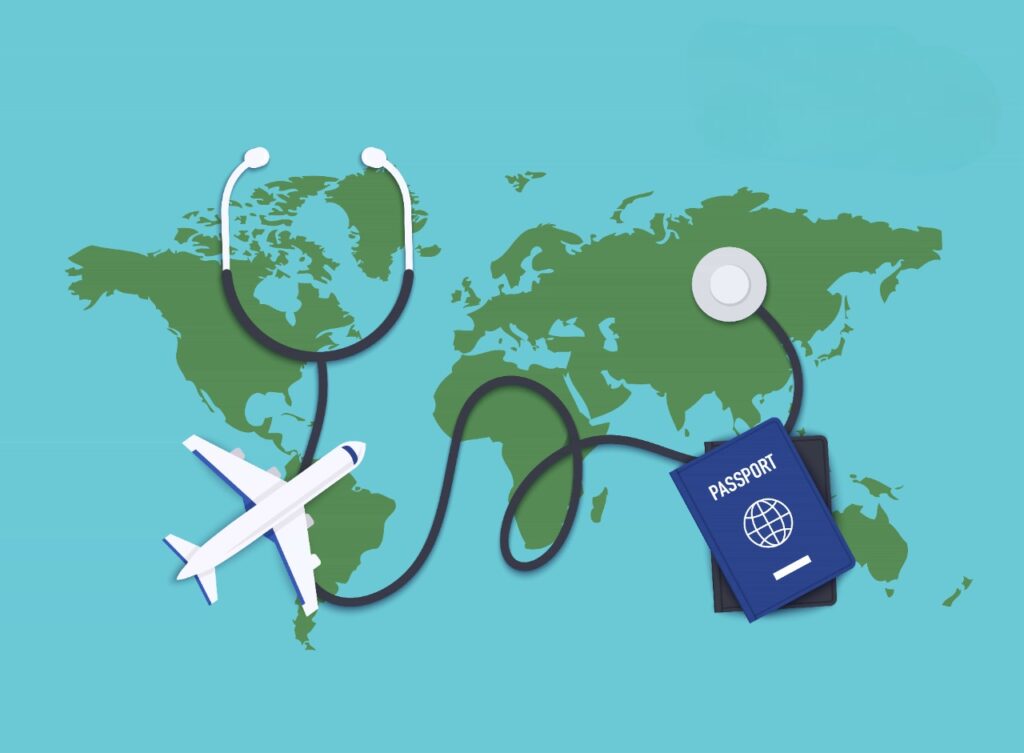
With an increase in the number of people choosing to travel abroad specifically for medical procedures, it has given rise to the term “medical tourism” in recent years. This phenomenon, sometimes known as “vacational healthcare” has become more well-known because of its potential to offer high-quality care at a a surprisingly affordable price.
When it comes to the types of procedures sought by medical tourists, the industry consists of a range of clinical procedures ranging from cosmetic surgery to dental procedures, which by the way top the list. International patients also lookout for a variety of medical procedures, such as organ transplants, hip and knee replacements. The patient flow is not just restricted to countries in the West, there is also a sizable surge of medical tourists from Eastern nations seeking top-notch healthcare at reasonable prices.
The large cost disparity between countries is one of the main causes of the rise in medical tourism. High-income nations like the United States and Europe frequently have medical procedures that are way too pricy for common people to afford without insurance coverages. On the other hand, places like Thailand, renowned for their top-notch medical facilities, provide the same treatments for a far lower price. For instance, a knee replacement procedure in Thailand can be done for about $10,000 instead of costing up to $30,000 in the US.
Let’s further discuss the key driving forces that have led to the rise of medical tourism as an industry.
Access to Advanced Technologies and Treatments:
Access to the latest equipment and treatments has emerged as an important factor in the growing trend of medical tourism in the constantly evolving field of medicine. Patients are no longer restricted to the healthcare resources and professionals in their own countries but can progressively look for destinations around the world that provide advanced technology and procedures that might not be accessible or cheap in their home country.
Modern technologies are essential for raising the standard of medical care and optimizing patient outcomes. International patients seeking high-quality care and the most recent medical developments are travelling to destination nations with well-equipped medical facilities. These cutting-edge techniques include minimally invasive procedures, robotic surgery, and improved imaging methods. For example, Thailand is advancing its medical technology through the design, development, manufacture, and exportation of innovative & high-performance tissue-healing technologies, including advanced wound care materials, surgical dressings, and materials that are clinical grade, as well as medical adhesives and sutures for closing and sealing tissue.
Common Procedures for Medical Tourists
Cosmetic Surgery
Cosmetic surgery has become a sought-after option for medical tourists looking to enhance their appearance. Procedures like breast augmentation, facelifts, and liposuction draw individuals to destination countries such as Costa Rica. These nations boast skilled surgeons and state-of-the-art facilities, attracting a global clientele seeking transformative changes.
Orthopedic Procedures
Orthopedic treatments, particularly knee and hip replacements, rank high among medical tourists’ preferences. Countries like Germany and Thailand are renowned for their expertise in orthopedic surgery, offering advanced techniques and comprehensive post-operative care. Here, medical tourists benefit from the expertise of renowned orthopedic surgeons and access to cutting-edge implant materials.
Dental Tourism
Dental procedures have emerged as another driving force behind medical tourism. Dental tourism, prevalent in countries like Hungary and Mexico, encompasses treatments like dental implants, veneers, and teeth whitening. These destinations provide affordable dental treatments, high-quality dental care providers, and state-of-the-art dental facilities, making them alluring choices for individuals seeking dental transformations.
Other Medical Procedures
Medical tourists also seek a range of other common procedures, expanding their horizons beyond cosmetic surgery and orthopedic treatments. Procedures like cardiac surgeries, fertility treatments, and weight loss surgeries are often performed in specialized centers and hospitals catering to international patients, adding to the allure of medical tourism.
Cosmetic Surgery Tourism
Statistics demonstrate the remarkable growth of cosmetic surgery tourism. A study published in PubMed indicates an annual growth rate of approximately 20-30% in the global medical tourism market. This surge underlines the increasing number of individuals willing to travel abroad for transformative cosmetic procedures, showcasing the enduring appeal of medical tourism.
Key Aspects to Probe before Traveling for Treatment
While medical tourism presents numerous benefits, it is crucial for prospective medical tourists to be well-informed about the possible challenges that may arise when traveling abroad for treatment. Being aware of these risks can help individuals make informed decisions and ensure a positive medical tourism experience. Here are some common pitfalls associated with medical tourism, divided into three key aspects to probe before embarking on this journey:
1. Continuity of Care and Follow-Up Support:
– One significant challenge for medical tourists is arranging follow-up care after undergoing medical procedures abroad. Accessing local healthcare providers for necessary post-operative care or addressing complications upon returning home can be challenging.
– Coordinating medical records and sharing information between healthcare providers in the home country and the destination country can be complex, potentially leading to gaps in patient care.
– Managing long-distance communication with healthcare providers may prove difficult, which underscores the importance of establishing clear lines of communication for seamless care continuity.
2. Ensuring Quality and Safety:
– While many medical tourism destinations boast reputable medical facilities, there is always a risk of encountering substandard or unregulated healthcare providers. Diligent research is essential to select accredited hospitals and experienced medical professionals, ensuring patients receive safe and high-quality care.
– Different countries have distinct regulations and legal systems concerning medical treatment, making seeking legal recourse in cases of medical malpractice or disputes complex and potentially costly for medical tourists.
– Insurance coverage for medical procedures abroad may vary, and navigating the reimbursement process can be intricate and time-consuming, adding an additional layer of complexity to the medical tourism experience.
3. Infection Control and Health Risks:
– Infection control practices may vary between countries, and medical tourists may be exposed to different healthcare-associated infections. Thoroughly researching and selecting healthcare facilities with robust infection control protocols is essential for patient safety.
– Understanding potential health risks in the destination country, such as prevalent diseases or environmental factors, is crucial for medical tourists to take necessary precautions and ensure their well-being during their stay.
– Assessing the accessibility of emergency medical services and the level of care available in the event of unexpected medical issues is vital for medical tourists to feel confident and secure throughout their medical journey.
Despite these potential pitfalls, medical tourism continues to offer patients high-quality care at more affordable rates than in their home countries. By being well-prepared and attentive to these key considerations, individuals can maximize the benefits of medical tourism while mitigating potential challenges.
Medical Tourism: Cost Savings, Convenience, and Quality Care
Medical tourism offers a unique opportunity for individuals seeking cost-effective healthcare options abroad. The potential for substantial cost savings compared to domestic healthcare alternatives makes it an attractive choice for patients looking to access quality medical services at lower costs. Additionally, combining medical care with travel and tourism experiences allows individuals to enjoy a vacation-like experience in the destination country while receiving necessary treatment. Reduced waiting times for medical procedures further minimizes associated costs, avoiding the consequences of delayed care.
These destinations provide tailored treatment plans at affordable rates, offering specialized care without overwhelming financial burdens. Moreover, these countries boast modern infrastructure and access to advanced medical technology, ensuring patients can avail cutting-edge healthcare without the high costs usually associated with such advancements. Besides, recuperating in affordable settings without sacrificing the standard of care makes the healing process comfortable and cost-effective.
Additionally, platforms like Starmedic offer a range of complementary therapies at reasonable prices, offering people more inexpensive options for wellness and holistic recovery in Thailand.
With the aim of directing medical tourists to the greatest healthcare options, Starmedic’s staff works for healthcare discovery in Thailand that links them to renowned medical specialists, premier hospitals, wellness programs, and reliable medical travel partners in Thailand. frequent medical tourism destinations Thanks to the services provided by medical tourism locales, patients can also gain from enhanced post-operative care and follow-up assistance without having to pay expensive prices. As a result, people can get the assistance they require without accumulating further debt.