
Asthma is more common than many people think. Whether it’s a child who wheezes during recess or an adult who keeps an inhaler close during allergy season, asthma affects millions of people around the world. But even though it’s widespread, many people don’t fully understand what asthma symptoms are —or how it can impact daily life.
What Is Asthma, Really?
Asthma is a chronic condition that affects the airways in your lungs. When you have asthma, these airways can become inflamed and narrow, making it harder to breathe. Imagine that you are trying to breathe through a straw—that’s what it can really feel like during an asthma attack.
What makes asthma tricky is that it can come and go. For some, it’s a minor nuisance. For others, it can be serious or even life-threatening if not managed properly. The key is knowing your triggers (asthma symptoms) and having a plan.
Types of Asthma
We can categorize Asthma in several ways. Here are some of them –
- Occupational asthma
- Cough Variant Asthma
- Allergic asthma
- Non-allergic asthma
- Severe Asthma
- Childhood Asthma
- Adult-Onset Asthma
- Seasonal Asthma
- Exercise-induced Asthma
Common Asthma Symptoms
Asthma symptoms aren’t the same for everyone. You might have one or two of the following signs and symptoms of asthma or all of them at different times:
- Shortness of breath
- Wheezing (a whistling sound when you breathe)
- Tightness in the chest
- Coughing (especially at night or early in the morning)
During exercise, when you’re sick or after being exposed to allergens like pollen, pet dander or dust, signs and symptoms of asthma can be flared up.
Asthma Causes
There is no specific cause of asthma. It often runs in families, so genetics may play a role. It can also be linked to allergies or long-term exposure to irritants in the environment like smoke or pollution.
Here are some common triggers that can set off asthma symptoms:
- Allergens like pollen, mold, or pet hair
- Cold air
- Respiratory infections like the flu or a cold
- Physical activity (also known as exercise-induced asthma)
- Stress or strong emotions
- Smoke, chemicals, or strong odors
Managing Asthma: It’s All About Control
There’s no cure for asthma but it can be managed. Most people with asthma live full active lives with the right treatment and awareness.
Treatment usually involves two types of medication:
- Quick-relief inhalers that help stop symptoms fast (usually during an asthma attack or peak expiratory flow).
- Long-term control medications that reduce Asthma inflammation and help prevent symptoms from starting in the first place.
It’s also important to track your symptoms, avoid triggers when possible and work closely with your doctor to adjust your treatment plan if things change.
When to See a Doctor
If you’re coughing a lot, wheezing, peak expiratory flow or feeling short of breath more often than usual, it’s worth getting checked out. Asthma can develop at any age and early Asthma diagnosis can make a big difference in keeping it under control.
Also if you already have asthma but notice your symptoms getting worse—or your medication isn’t helping like it used to—it’s time to check in with your healthcare provider.
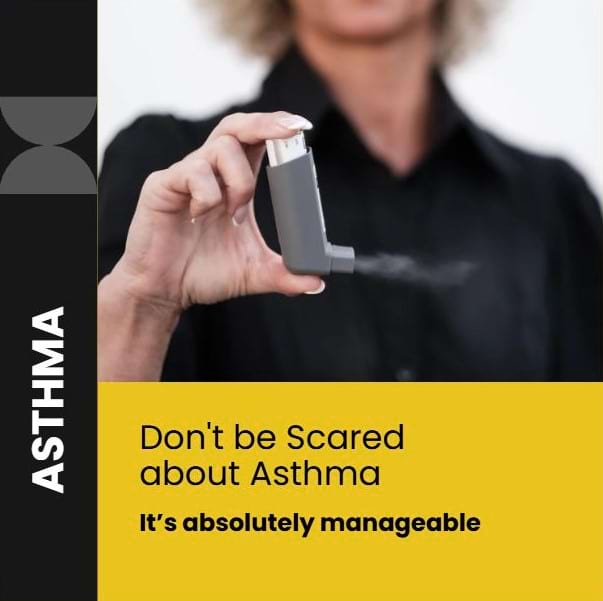
Asthma might sound scary but with the right tools, knowledge and diagnosing Asthma it’s absolutely manageable. Knowing your body, recognizing the warning signs and having a plan can help you breathe easier—literally and figuratively.
So if you or someone you care about has asthma, don’t ignore it. Talk about it, learn about it and take steps to keep it under control. Your lungs—and your life—will thank you